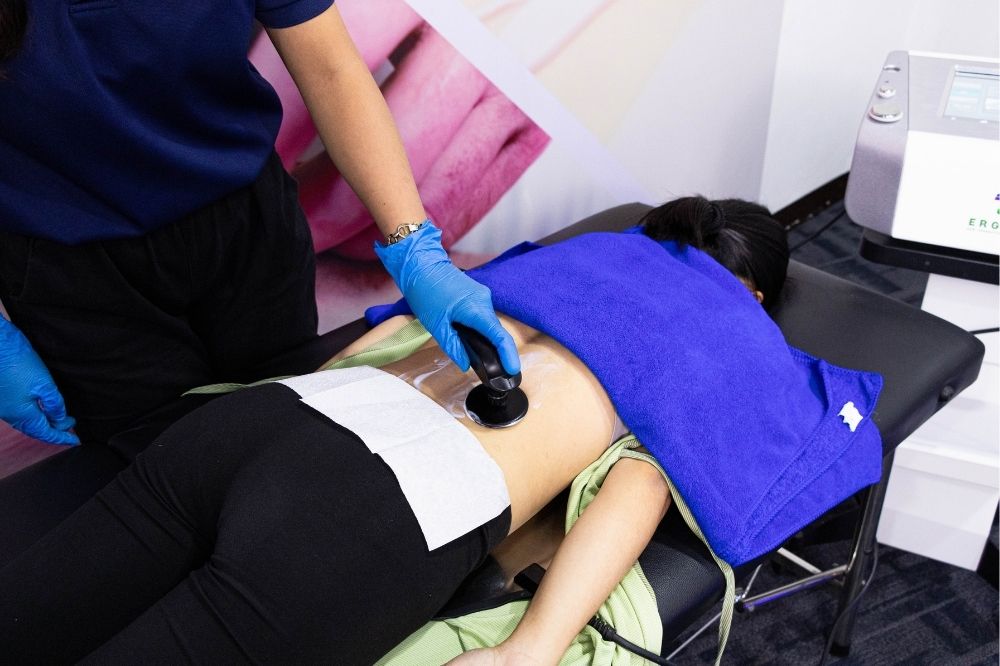
An individual should try physical therapy before considering surgery for non-emergency conditions that involve pain, discomfort, weakness, and stiffness. Surgery is an extremely invasive procedure, so patients may feel hesitant or want to explore safer options first. In many cases, physical therapy can help reduce pain and improve function without the risks, costs, and recovery time that come with surgery. But it’s important to keep in mind that not all conditions respond the same way to conservative methods like therapy.
We’ve had patients visit us for this reason. But unfortunately, some injuries or conditions may still require surgery, especially if there is severe structural damage or no improvement after physical therapy and rehabilitation.
Conditions That May Benefit from Physical Therapy vs. Surgery
Many muscle, joint, and nerve conditions respond well to physical therapy, especially when symptoms are still mild. Since physical therapy is focused on improving movement and restoring strength, it is usually effective for preventing the need for surgery if early intervention is done.
Here are the conditions that may benefit from physical therapy before surgery:
- Chronic back pain
- Chronic neck pain
- Shoulder pain or frozen shoulder
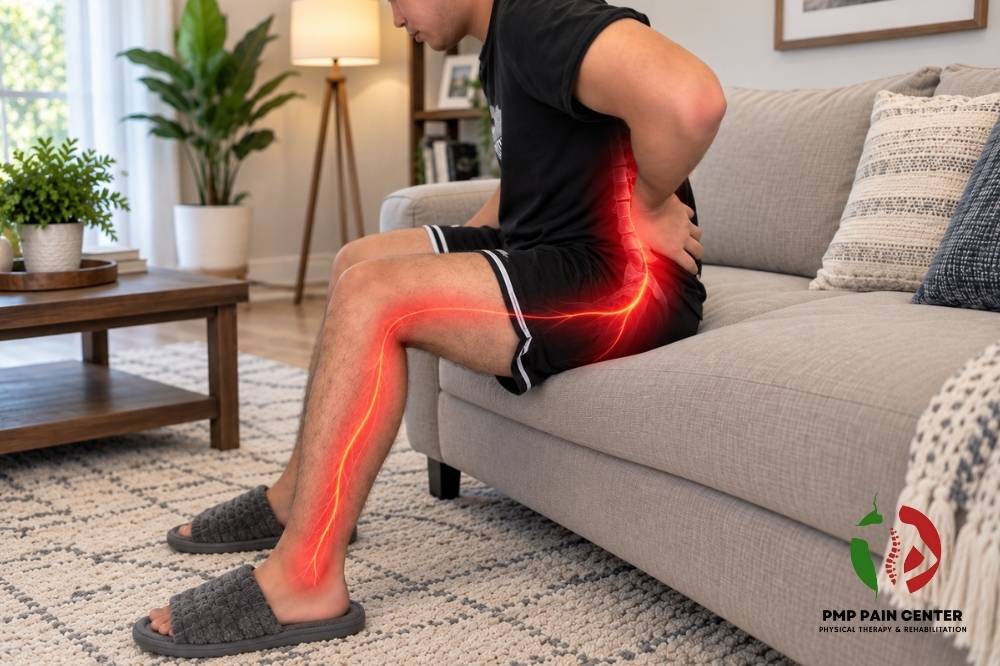
- Sciatica/pinched nerves
- Postural pain and movement-related discomfort
- Sport injuries
- Muscle strains
When to Try Physical Therapy Before Considering Surgery
Knowing when to visit a physical therapist can help you address pain and mobility issues early. It may also help you avoid surgery altogether. Physical therapy is often recommended before surgery for conditions that are not life-threatening or do not require extreme urgency. Some situations when trying physical therapy first is a good idea include:
Knee Osteoarthritis
Mild to moderate cases of knee osteoarthritis can be improved with physical therapy. Through a dedicated program, it helps strengthen the muscles around the knee and improve joint stability. After several sessions, pain is also reduced significantly. Doing this early on can delay or even avoid knee replacement surgery.
Rotator Cuff or Shoulder Injuries
Targeted exercises and hands-on therapy can restore shoulder movement and help manage pain. Since these conditions are typically treated with surgery only if severe, physical therapy offers a safer and non-invasive option to manage the condition. Many patients find they can return to daily activities and even sports without needing an operation when they follow a guided rehab program.
Herniated/Bulging Discs
Herniated or bulging discs are extremely common, especially for individuals who spend long hours sitting or lifting heavy objects. Physical therapy is generally recommended as a first step to reduce pain and improve mobility. Through tailored physical therapy programs, a licensed physical therapist can help strengthen the muscles that support your spine, relieve pressure on the affected discs, and improve your posture.
Chronic Back or Neck Pain
Some people may think of surgery as their first option to treat chronic back or neck pain, but it’s far from the only solution. Physical therapy and rehabilitation can often provide significant relief by focusing on improving posture and increasing flexibility. So, starting with therapy allows you to address the problem safely and may help you avoid the risks and recovery time when you undergo surgery.
Hip Pain
Persistent hip pain is one of the most common issues that almost everyone experiences at some point in life, especially as we age or stay active. It can come from muscle tightness, arthritis, or joint stiffness. Before considering surgery, physical therapy can help reduce pain by strengthening the muscles around the hip and correcting the way you move. With the right treatment plan, many people are able to walk, sit, and move more comfortably without needing surgery.
Frequently Asked Questions
Can physical therapy help avoid surgery?
Yes, in many cases. Physical therapy can reduce pain and improve strength, especially for conditions like back pain, joint issues, or mild injuries.
Is physical therapy painful?
PT should not cause sharp or worsening pain. Some discomfort is normal as your body adjusts, but sessions are designed to help you heal safely and gradually.
Who decides if I need surgery or physical therapy?
The decision is usually made together by you, your doctors, and your physical therapist. They look at your symptoms, imaging results, and how your body responds to conservative treatment.
Is physical therapy effective for long-term or chronic pain?
Physical therapy can be extremely effective for chronic pain, especially for conditions such as long-term back pain, arthritis, joint stiffness, and nerve-related issues.
Choose a Safer Path to Recovery
You don’t always have to go under the knife to feel better. For many non-emergency conditions, consulting with a licensed physical therapist can be a smart first step. However, you need to know that every condition is different, and the right treatment depends on your symptoms and lifestyle, so it’s best to have a qualified healthcare professional check you first.
At PMP Pain Center, our licensed physical therapists and medical doctors are always ready to help you feel better. We take the time to understand your pain and goals so you can make confident decisions about your care and move forward feeling supported. Contact us today to schedule an appointment