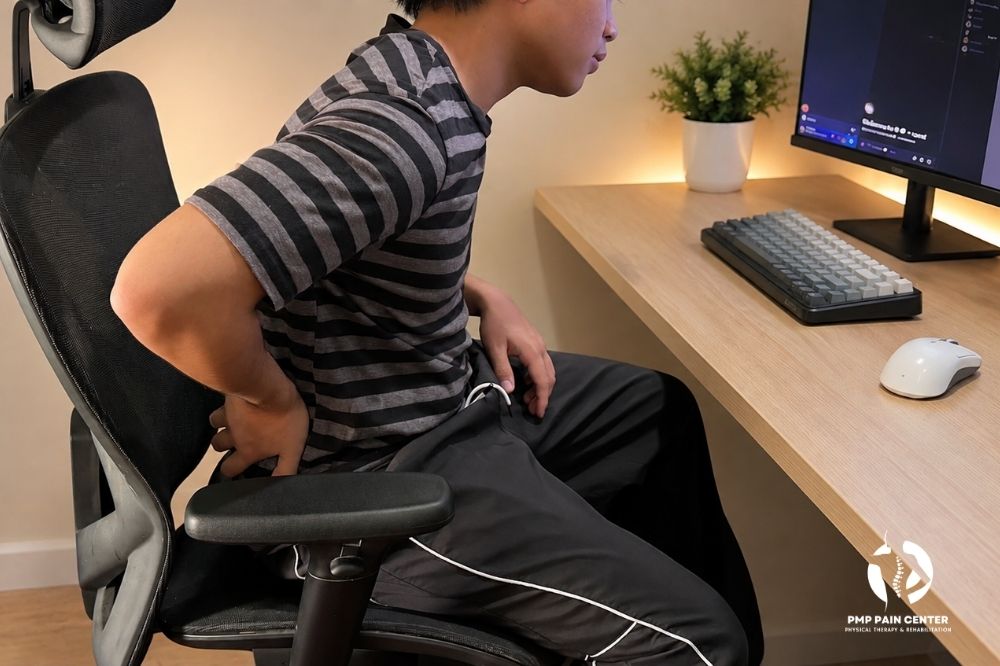
Back pain has been the most common type of occupational disease since 2011, according to the Philippine Statistics Authority. Lower back pain, specifically, is something many people experience at some point in their lives. In fact, studies have reported a lifetime incidence of 10% to 40%, which means roughly 1 to 4 in 10 people may experience lower back pain at some point in their lifetime.
Filipinos are known for being some of the most hardworking people, regardless of the sector we work in. With the rising number of Filipinos with desk jobs, specifically those who work from home, many of us have also become more sedentary. Unfortunately, this pain does not always stop at the lower back. Pain may travel down to the buttocks and into the leg, which is a common sign of sciatica.
What Is Sciatica?
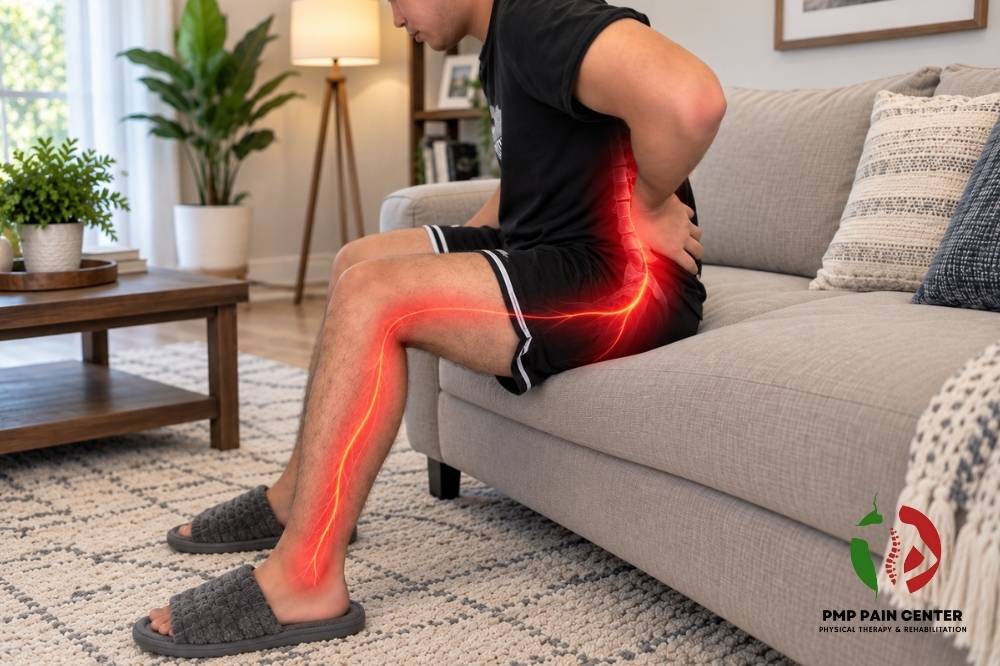
Sciatica is pain caused by irritation or compression of the sciatic nerve, which is the longest and thickest nerve in the human. It starts in the lower back, runs through the buttocks, and travels all the way down the back of each leg. When this nerve gets compressed or irritated, you feel it along that entire path, which can disrupt your day-to-day activities. That’s why it’s more than just typical lower back pain. It’s also worth knowing that sciatica is not a condition on its own. It’s actually a symptom of something else, usually an underlying issue that is putting pressure on the sciatic nerve.
What Causes Sciatica?
Since sciatica is a symptom already in itself, the cause is always something putting pressure on or irritating the sciatic nerve. Here are the most common causes of sciatica:
- Bulging or herniated discs
- Osteoarthritis
- Pregnancy
- Degenerative disc disease
- Spinal stenosis
- Cauda equina syndrome
- Foraminal stenosis
- Prolonged sitting or sedentary habits
What Are the Symptoms of Sciatica?
Sciatica has a distinctive pattern that makes it easy to distinguish it from typical back pain. The symptoms usually affect one side of the body and follow the path of the sciatic nerve. Though it varies from person to person, here are the typical symptoms of sciatica that you need to watch out for:
- Pain that starts in the lower back/buttock and travels down one leg
- A sharp, shooting, or burning sensation along the nerve path
- Weakness in the affected leg or foot
- Numbness or tingling in the leg, calf, or foot
- Pain that worsens with sudden movements like coughing or sneezing
- An “electric shock” feeling running down the leg
- Tingling sensation (pins and needles)
There are also some more serious symptoms like loss of bladder control, muscle weakness, and loss of bowel control that you need to be aware of. If you are experiencing these symptoms, it is best to have yourself checked by your primary healthcare provider.
How Is Sciatica Diagnosed?
Sciatica is diagnosed by an in-depth evaluation conducted by a licensed physical therapist. They will ask about the pain you’re experiencing, where it is, how it feels, when it started, and what makes it better or worse. It will then be followed by a physical examination to check reflexes, sensation, and muscle strength.
A thorough physical assessment is already enough for most cases, but sometimes, imaging tests like X-ray or MRI may be recommended depending on the condition.
How Can Physical Therapy Help Treat Sciatica?
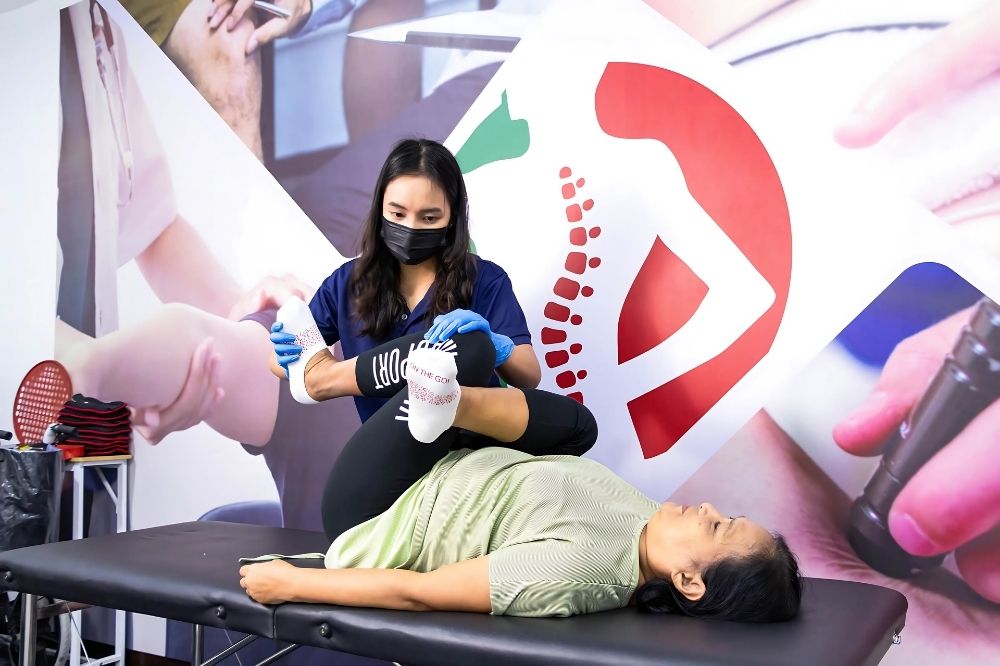
Resting is actually counterproductive with sciatica. Keeping still gives the nerve more time to stay compressed and the surrounding muscles more time to weaken. Physical therapy works the opposite way by stretching and strengthening the muscles, joints, and nerves to reduce pressure on the sciatic nerve.
The most important thing is to be familiar with how to know if you need physical therapy for sciatica so you can get assessed immediately and be able to start with your treatment program.
What Are the Best Treatment Options for Sciatica?
The best treatment options for sciatica depend on the exact condition of the patient. At PMP Pain Center, we create a personalized treatment plan to make sure that every therapy we perform contributes to an effective and safe recovery. Here are the most commonly used treatment options for sciatica:
- Joint mobilization and manipulation
- Dry needling
- Myofascial release
- Soft tissue mobilization
- Therapeutic exercises
Patient participation matters a lot in sciatica rehabilitation because the more you understand what’s being treated and why each part of the program is there, the better the outcomes tend to be. That’s also something our team at PMP Pain Center takes seriously from the very first session.
Exercises That May Help Relieve Sciatica
Gentle, targeted movement is one of the most consistently recommended approaches for sciatica relief. These exercises help reduce pressure on the sciatic nerve and restore more comfortable movement over time. You should stop anything that increases pain or sends symptoms further down the leg and consult a licensed physical therapist before starting any exercise program.
- Basic seated stretch
- Knee to opposite shoulder
- Forward pigeon pose
- Figure 4 stretch
- Seated glute stretch
- Sitting spinal stretch
- Standing hamstring stretch
Can Sciatica Be Prevented?
Not all cases of sciatica can be prevented, especially those caused by structural issues like spinal stenosis or disc degeneration. But you can lower your risk by establishing the right daily habits such as building core strength, taking regular movement breaks after sitting for a long time, and maintaining a healthy weight. Paying attention to your sleeping position can also help reduce your risk, so make sure to check your posture and compare it with the recommended sleeping positions for back pain.
Frequently Asked Questions About Sciatica
Is sciatica curable?
Yes, most cases of sciatica resolve fully with the right treatment and rehabilitation. Mild to moderate cases often improve within a few weeks to a few months with physical therapy and lifestyle adjustments. However, cases caused by more serious structural issues may take longer and require additional medical intervention, but even these are treatable.
Is sciatica hereditary?
Not directly, but some of the conditions that cause sciatica, like spinal stenosis and degenerative disc disease, have a genetic component. If these conditions run in your family, your risk of developing sciatica may be slightly higher.
Is walking good for sciatica?
For most people, yes. Gentle walking keeps the spine mobile and avoids prolonged compression that sitting causes. However, if walking increases the pain or sends symptoms further down the log, stop it immediately and have it assessed by a physical therapist as soon as possible.
What are the signs that sciatica is healing?
The most reliable sign is the gradual reduction in pain intensity. You have to keep in mind that nerve healing tends to be slow and not always linear, so some days may feel better than others during recovery.
What should I avoid if I have sciatica?
Avoid prolonged sitting without breaks, heavy lifting with poor technique, and exercise that increases pain or pushes symptoms further down the leg. Bed rest for extended periods is not recommended either as it tends to slow recovery rather than support it.
What is the best position for sciatica pain?
Lying on your side with a pillow between your knees is the most comfortable position for sciatica, as it keeps the spine in a neutral alignment and reduces pressure on the nerve. Avoid lying flat on your stomach as it puts additional strain on the lumbar spine and can aggravate sciatic symptoms.
Sciatica Is Treatable. You Don’t Have to Just Live with the Pain.
A lot of Filipinos push through sciatic pain for months or even years, but that tingling down the leg, that sharp pain, or that weird numbness that disrupts whatever you’re doing? None of that is something you just have to accept. PMP Pain Center exists to make sure that every Filipino who’s dealing with sciatica gets access to quality care. If the pain has been there long enough that you have started building your day around it, that’s already reason enough to have it property checked by a licensed physical therapist.