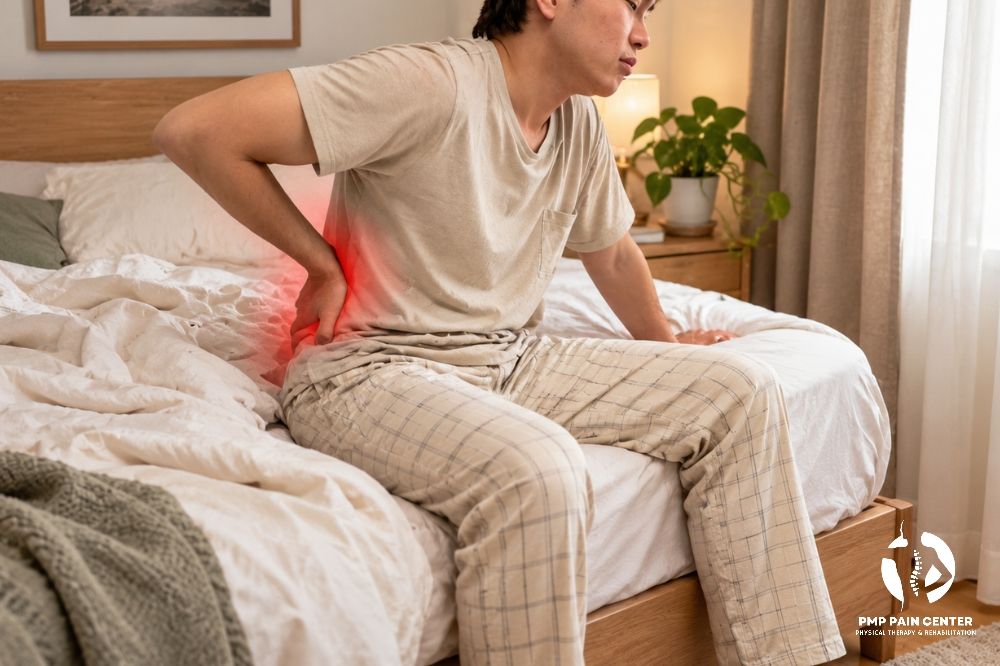
Lower back pain is one of the most common reasons people visit a doctor or a physical therapist. Did you know back pain is the number one occupational disease reported in establishments across the Philippines? This is a fact, and it’s according to the Philippine Statistics Authority’s 2017/2018 Integrated Survey on Labor and Environment.
Lower back pain can come from lifting something too heavy, sitting at the desk for too long (for professionals with desk jobs), sleeping in a bad or awkward position, or sometimes it can come from no reason at all. What’s good about it is that most cases get better with the right treatment and some adjustments to daily habits.
However, if you’re experiencing persistent lower back pain that doesn’t go away or keeps coming back, you need to visit a licensed physical therapist or medical doctor to have your back checked. Here’s everything you need to know about lower back pain.
What Is Lower Back Pain?
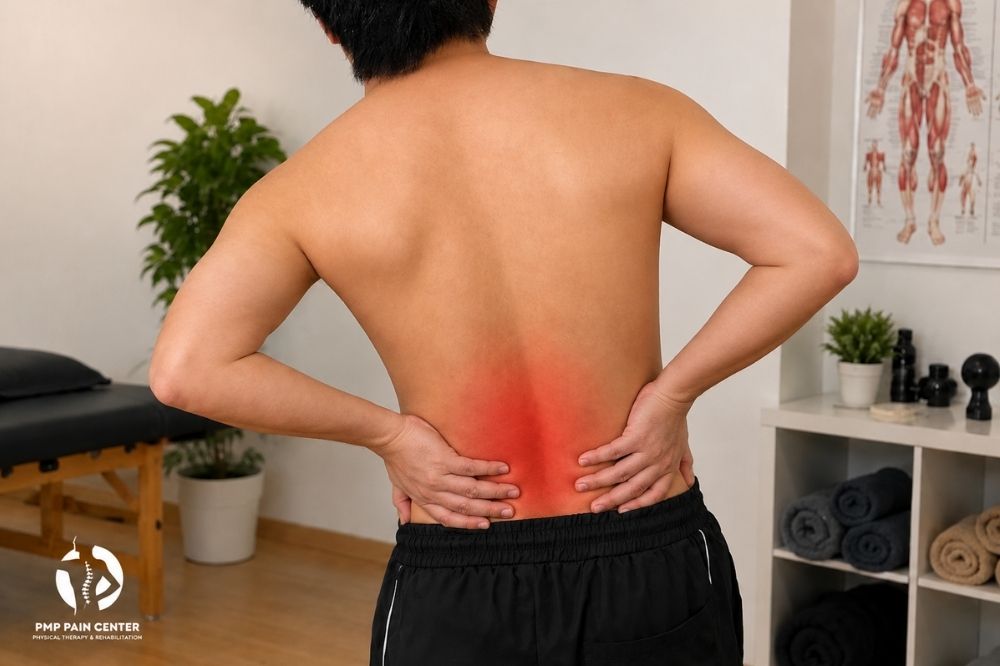
Lower back pain is pain or discomfort that affects the lumbar spine or the area between your ribs and hips. This area carries a lot of the load from our movements throughout the day because it supports the upper body and keeps us balanced.
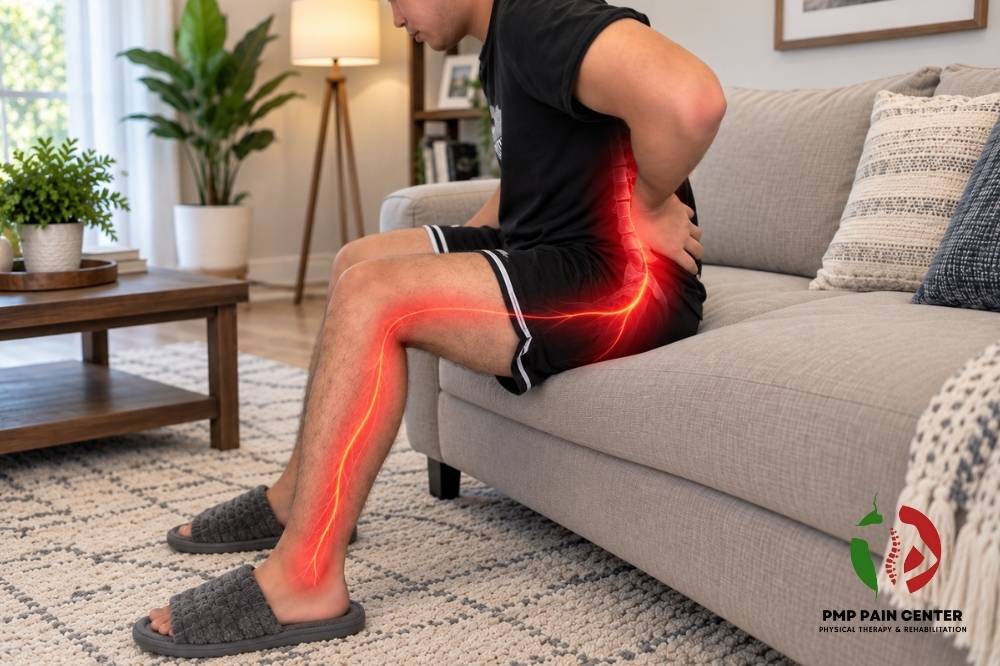
But the pain people experience in the lower back isn’t always the same. Some people only feel a dull ache that stays in one spot and others get a sharp pain during specific movements like bending down or reaching for something. Some feel the pain spreading into the buttocks or going down one leg, which usually points to nerve involvement. This symptom is commonly related to sciatica. So learning about the causes and symptoms of sciatica can help you understand why pain sometimes travels beyond the lower back.
What Causes Lower Back Pain?
Lower back pain is a symptom. Something is always causing it and knowing what that is matters because treatment depends on it. The causes vary from person to person, but these are the most common ones:
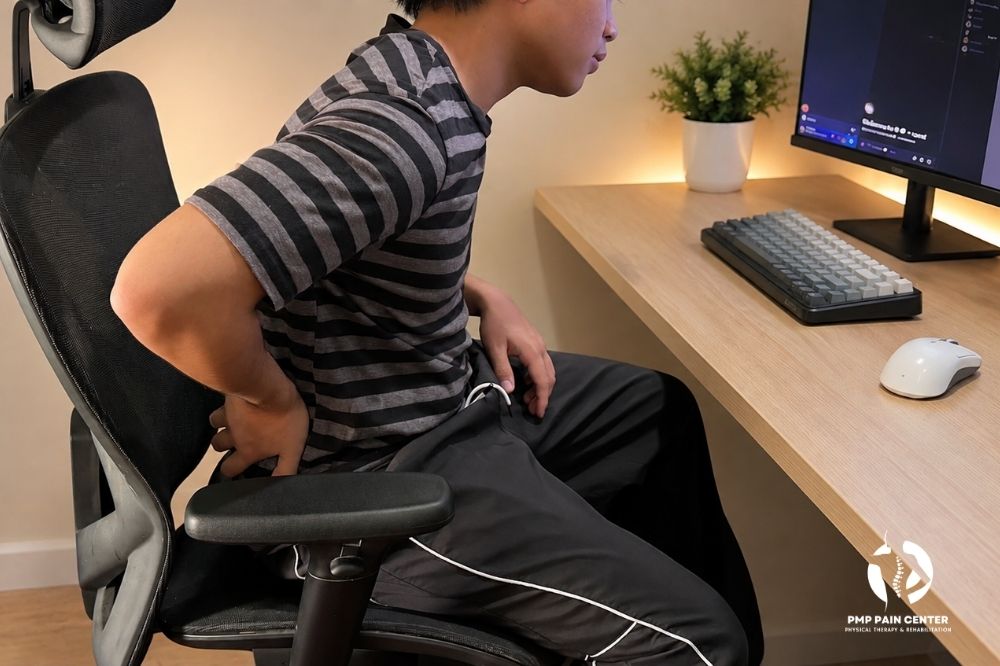
- Long hours of sitting or standing with poor posture
- Muscle or ligament strains from lifting wrong, twisting, or sudden movements
- Sciatica
- Herniated or bulging discs
- Arthritis and degenerative disc disease from aging
- Repetitive movements (bending, lifting, or physically demanding work)
- Pregnancy
A lot of people develop lower back pain gradually from different things, usually a combination of causes. It could be due to years of poor posture, lack of movement, and more. This is also why a proper assessment matters before jumping into any treatment.
What Are the Common Symptoms of Lower Back Pain?
Just like causes, symptoms also vary from person to person. The symptoms often depend on what’s causing the pain and which structures in the lower back are affected. You may experience one or more of the following symptoms:
- Sharp pain when bending, getting up, or other sudden movements
- Sudden muscle spasms
- Tightness
- Dull pain
- Pain that gets worse the longer you sit, stand, or walk
- Numbness, tingling, or weakness in one or both legs
- Pain radiating from the lower back down the leg or into the buttock
Some of these symptoms settle on their own with enough rest. Others tend to get worse the longer they’re ignored. A good rule of thumb is if anything has been going on for more than two weeks without improvement, you should have it checked by a physical therapist or medical doctor near you.
What Increases Your Risk of Lower Back Pain?
Lower back pain can affect anyone but some people are more likely to experience it because of their age, occupation, lifestyle, or overall health. Having one or more risk factors doesn’t necessarily mean you’ll develop back pain but it can increase the chances over time.
| Risk Factor | Reason |
| Improper body mechanics when heavy lifting, repetitive bending, or twisting | This puts repeated stress on the muscles, discs, and joints of the lower back |
| Long hours sitting | Extended hours of sitting increase pressure on the lumbar spine and weaken supporting muscles over time |
| Poor posture | Poor posture reduces spinal support and increases strain on surrounding areas |
| Sedentary lifestyle | Lack of movement weakens the muscles that protect and support the back |
| Being overweight or obese | The extra weight adds extra load on the spine, which accelerates wear and tear |
| Previous back injury | A back that did not fully recover is more vulnerable to future strain |
| Smoking | Smoking reduces blood flow and nutrient delivery to spinal discs, which can slow recovery and contribute to disc degeneration |
| Getting older | The spine naturally changes with age, making discs and joints more vulnerable |
| Pregnancy | Changes in posture, hormones, and body weight can place additional strain on the lower back, which causes back pain during pregnancy |
Many of these risk factors can be managed through regular exercise, good posture, proper lifting techniques, and maintaining a healthy weight. Even small changes to your daily routine can help protect your back and reduce your risk of future pain.
How Is Lower Back Pain Diagnosed?
Your physical therapist or doctor will ask about the pain first. When it started, how it’s getting in the way of daily life, and what triggers it. Then it will be followed by a physical exam. Posture, range of motion, reflexes, and muscle strength.
X-rays and MRI scans are not always part of it. These imaging tests are usually recommended or performed when the pain has been around for weeks, is severe, or shows up alongside leg weakness, numbness, or bladder and bowel changes. But most cases get sorted out through a good physical assessment alone.
What Are the Treatment Options for Lower Back Pain?
The right treatment for lower back pain depends on what’s causing it. Some cases improve with rest and simple home care but others may require physical therapy or other medical treatments to address the underlying problem.
Common treatment options include:
- Physical therapy
- Staying active
- Applying ice or heat for pain relief
- Taking over-the-counter pain relievers (as recommended by your healthcare provider)
- Lifestyle changes, such as improving posture and maintaining a healthy weight
- Prescription medications, injections, or surgery for more serious conditions
According to the American College of Physicians, non-invasive treatments such as exercise, physical therapy, and staying active are often recommended as the first line of treatment for most cases of lower back pain.
And since different conditions require different approaches or treatments, getting the right diagnosis is important. For example, knowing the differences between a herniated disc and a muscle strain can change the direction of the treatment. What works for one will not necessarily work for the other and treating the wrong thing is one of the more common reasons people stay in pain longer than they need to.
What Exercises May Help Relieve Lower Back Pain?
There are a lot of exercises to relieve lower back pain. Gentle movement is often better than complete rest for many cases of lower back pain. Simple exercises can help reduce stiffness, improve flexibility, and strengthen the muscles that support your lower back.
Some commonly recommended exercises include:
- Gentle walking
- Bridges
- Pelvic tilts
- Cat-cow stretch
- Knee-to-chest stretches
- Bird dog exercise
Note that not every exercise is suitable for every condition. If an exercise increases your pain or causes new symptoms, stop immediately and consult your physical therapist or medical doctor.

When Should You See a Physical Therapist for Lower Back Pain?
Many cases of lower back pain improve within a few weeks. However, if the pain isn’t getting better or is making it difficult to do your usual activities, it is highly recommended to seek professional help.
Consider seeing a physical therapist if the following applies to you:
1. The pain has been there for more than a few weeks with no improvement
A little soreness after an unusual activity is normal. It usually settles down on its own. But pain that just stays there week after week without getting any better is the body’s way of saying something needs proper attention.
2. The pain keeps coming back even after it settles
If lower back pain goes away for a while and then comes back again, that pattern is a sign that the underlying cause has not been properly addressed. Treating the symptom without finding the source is what keeps it coming back.
3. Work, exercise, or daily tasks are becoming harder to manage
When bending down, sitting at a desk, or getting up from a chair starts feeling like a challenge, that is already a functional limitation worth addressing. Physical therapy is designed to catch these things before they get worse.
4. You are experiencing numbness, tingling, or weakness in the legs
These symptoms suggest that nerves may be involved. That’s a different situation from simple muscle pain. Numbness and weakness that come alongside lower back pain need to be assessed properly.
5. The pain feels like it’s gradually getting worse
Pain that trends in the wrong direction, gets more frequent, or spreads to new areas is not something to push through. The earlier you can have it checked, the better. Pain gradually getting worse is a strong sign that something needs attention.
Can Lower Back Pain Be Prevented?
While not every case can be prevented, healthy habits can go a long way in reducing your risk of developing lower back pain.
Here are some simple ways to protect your back:
- Stay physically active and strengthen your core muscles
- Stretch regularly
- Maintain good posture when sitting, standing, and lifting
- Maintain a healthy weight
- Lift heavy objects using your legs
- Get enough sleep and use a good quality mattress. Practicing the best sleeping positions for back pain may also help reduce unnecessary lower back strain.
Frequently Asked Questions For Lower Back Pain
Why does my lower back hurt only in the morning?
Morning lower back pain is usually caused by prolonged inactivity during sleep. Staying in one position for hours causes the muscles and joints in the lower back to stiffen. Certain sleeping positions also put unnecessary strain on the lumbar spine overnight.
Why does my back pain improve as the day goes on?
Movement increases blood flow to the muscles and joints, which reduces inflammation and loosens stiffness. As you start moving, it gradually warms up and the pain eases. This pattern usually points to muscle stiffness or an inflammatory condition.
Can my mattress cause lower back pain?
Yes. A mattress that is too soft does not support the spine properly because it sinks into an unnatural position overnight. One that is too firm creates pressure points that affect spinal alignment.
Which sleeping position is best for lower back pain?
Sleeping on your side with a pillow between your knees is generally the most recommended position for lower back pain. It keeps the spine in neutral alignment and reduces pressure on the lumbar area. Sleeping on your back with a pillow under your knees is also a good option.
Should I stretch when I wake up?
Yes, but gently. Simple stretches like cat-cow and knee-to-chest pulls done before getting out of bed can reduce stiffness and prepare the body for movement. Avoid aggressive stretching immediately after waking up.
Is walking good for morning back pain?
For most people, yes. A short gentle walk after waking up helps increase blood flow to the lower back, loosens stiff muscles, and reduces morning pain faster than staying sedentary. If walking makes the pain worse, consult a physical therapist before continuing.
You Don’t Have to Live with Lower Back Pain. Get It Checked at PMP Pain Center.
Filipinos are some of the most hardworking people in the world, and a lot of that hard work takes a real toll on the body. That’s why lower back pain gets normalized that way. Many people even wear it as a badge of honor sometimes because it implies they are hardworking. But even if it’s normalized in our society, it doesn’t mean it’s something you just accept.
If the pain has been around for quite some time already or is already affecting your daily life, you need to have it checked as soon as you can. At PMP Pain Center, treatment is not a generic program. It’s built around what’s causing your pain and what your body specifically needs to recover. Contact us today to schedule a consultation at the nearest PMP Pain Center branch.