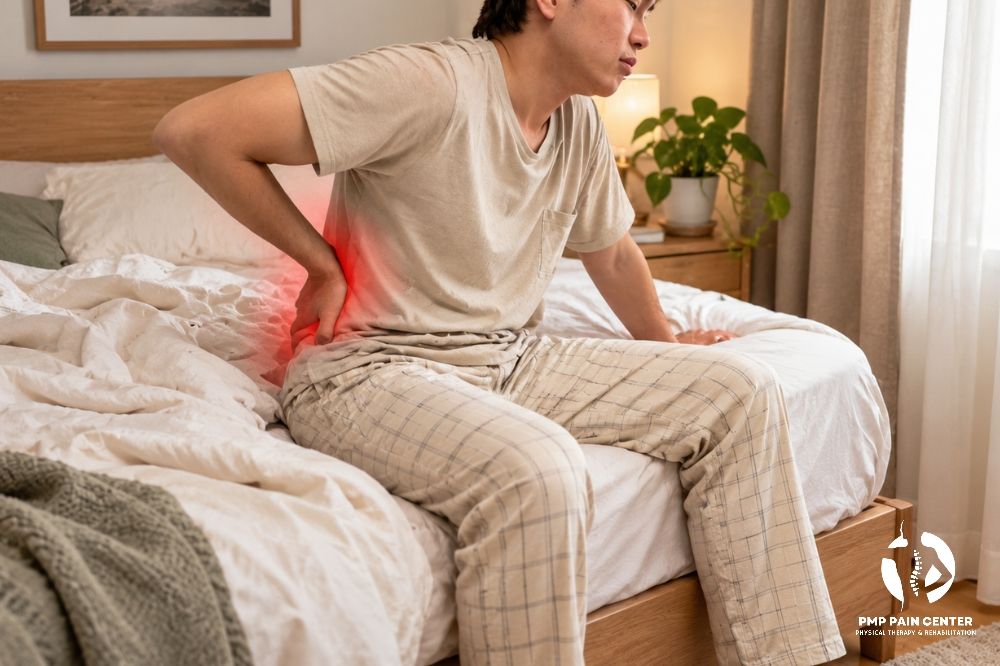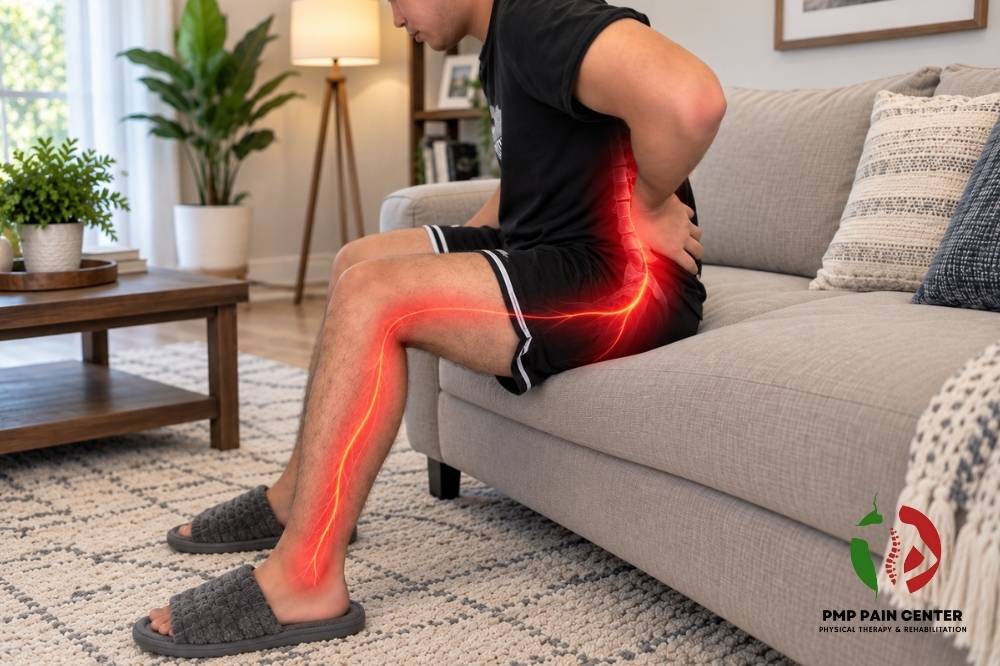
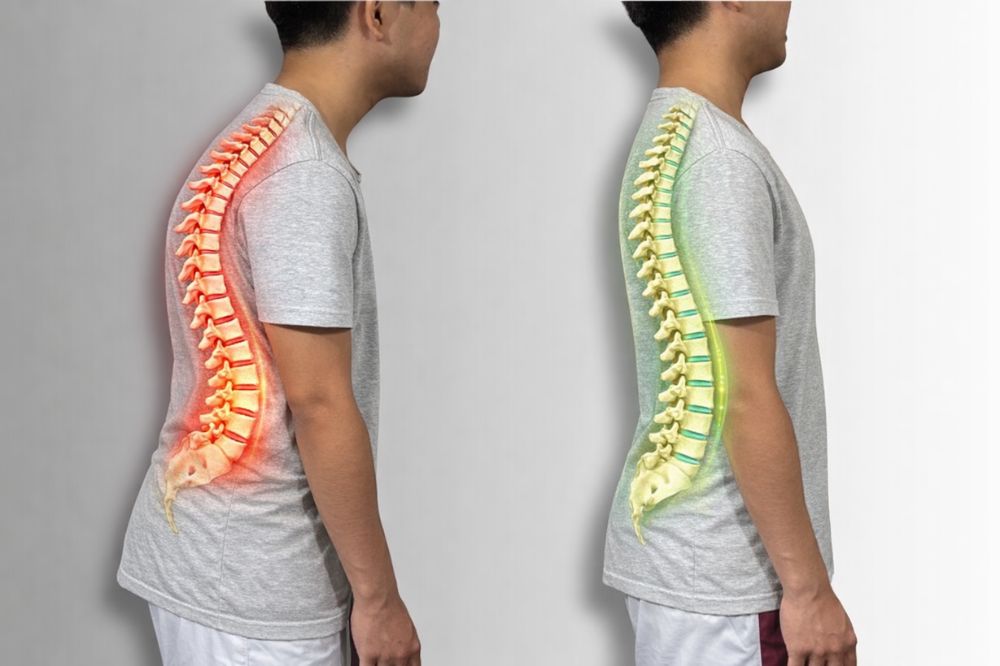
Not many of us are aware of the poor posture we do on a daily basis. It could be that it’s what we do because it’s more comfortable than sitting or standing properly, or simply because we’ve gotten used to it over time. And if you think about it, it’s as simple as looking down at our phones, slouching while we work, and sitting for long hours without moving can slowly put extra strain on our muscles and joints. If you keep doing these habits day after day, your body starts to adapt in unhealthy ways.
Bad posture can lead to long-term pain because it throws your body out of proper alignment. When your head, shoulders, and spine are not positioned the way they should be, certain muscles have to work harder while others become weak or tight. This is why many people eventually seek help from a physical therapy and rehabilitation center, even though these issues could have been prevented with proper posture early on.
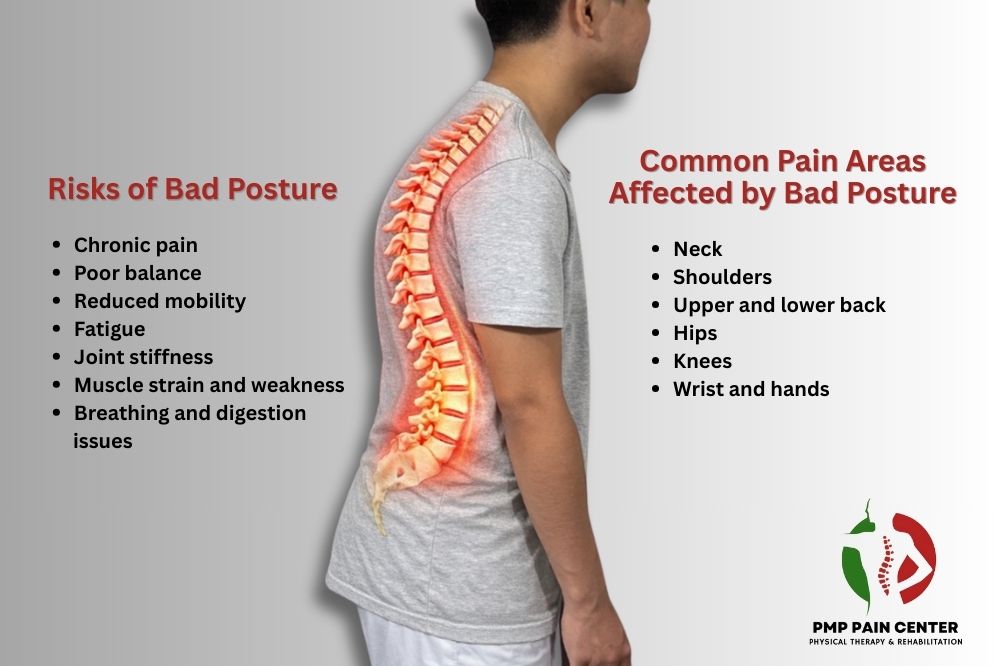
Common Pain Areas Affected by Bad Posture
Bad posture causes pain by putting constant stress on parts of the body that are not meant to handle it for long periods. When you slouch, sit unevenly, or lean forward, your body weight is no longer evenly distributed. This forces certain muscles and joints to overwork just to keep you upright, while other muscles become weak from lack of use.
Here are the common pain areas affected by posture:
- Neck
- Shoulders
- Upper and lower back
- Hips
- Knees
- Wrist and hands
Risks of Bad Posture
Bad posture puts extra stress on your muscles, joints, and spine. It may also reduce your movement and affect your balance. For example, a study from Universitas Indonesia found that 70.5% of participants reported discomfort from prolonged gadget use, with neck and shoulder pain being the most common.
Similarly, research among medical students in Indonesia and college students in Karachi revealed a strong link between long sitting hours, poor posture, and low back pain. Poor posture can also reduce mobility, affect balance, and make daily activities more tiring.
Here’s a list of risks associated with bad posture:
- Chronic pain
- Poor balance
- Reduced mobility
- Fatigue
- Breathing and digestion issues
- Joint stiffness
- Muscle strain and weakness
How to Prevent Bad Posture and Long-Term Pain
Preventing bad posture starts with awareness and small daily habits. At first, it may seem like it won’t make a lot of difference, but simple changes in your sitting, standing, and even device use can make a big difference over time. Here are some things you can to do prevent bad posture and long-term pain:
- Stand, stretch, or walk around every 30-60 minutes, especially if you sit for long periods. This is very important for those who have desk jobs.
- Keep your computer or phone at eye level to avoid bending your neck forward. Always check your screen height if you’re using a laptop or computer.
- Sit in a chair that supports your lower back and encourages an upright posture. You can buy ergonomic chairs or use a small pillow or rolled towel behind your lower back to support your spine.
- Exercise regularly and include workouts that improve your back and abdominal strength to help maintain proper spine alignment.
- Follow the 20-20-20 rule which means for every 20 minutes, look at something 20 feet away for 20 seconds to reduce neck strain.
- Make time to stretch your chest, shoulders, and hip flexors to prevent muscle tightness from prolonged slouching.
Frequently Asked Questions
Can physical therapy fix posture problems?
Yes. Physical therapy helps correct posture by strengthening weak muscles, stretching tight areas, and teaching proper body alignment for daily activities.
Is bad posture reversible?
In most cases, yes. Posture awareness, proper exercises, and close guidance from a licensed physical therapist can be improved or corrected.
When should I see a physical therapist for posture-related pain?
You should see a physical therapist if posture-related pain keeps coming back, affects your daily activities, or does not improve with rest and simple adjustments.
How long does it take for bad posture to cause pain?
Pain can develop gradually over months or years. Some people may feel discomfort within weeks, especially if they sit or stand incorrectly for long hours each day.
Take Care of Your Posture Before Pain Takes Over
Your posture affects your comfort, movement, and overall health. That’s why it’s so important for us to check our posture and make sure that we’re not putting unnecessary stress on our body every day. If you’re not sure about your posture or you’re already feeling pain in your neck, shoulders, or lower back, it might be good to visit a physical therapist to assess your condition.
At PMP Pain Center, we have a team of licensed physical therapists and medical doctors to help identify posture-related problems and address them before they turn into long-term pain. Schedule an appointment at the nearest PMP branch in your area to get a thorough assessment.