Physical therapy has always been one of the most effective ways to treat pinched nerves. A pinched nerve can stop you from moving comfortably and doing things you need to do. Regardless of how it presents, sharp pain, numbness, tingling, or even weakness, it’s evident that it can take a toll on your daily life if left untreated even if the discomfort may come and go.
So if you’re one of the many people who are wondering if a visit to a physical therapy clinic can help with pinched nerves, the answer is… yes, it absolutely can. Specific physical therapy programs can be designed to reduce the pressure on the affected nerve and help your body move in a safer way. Here’s everything you need to know.
What Are Pinched Nerves?
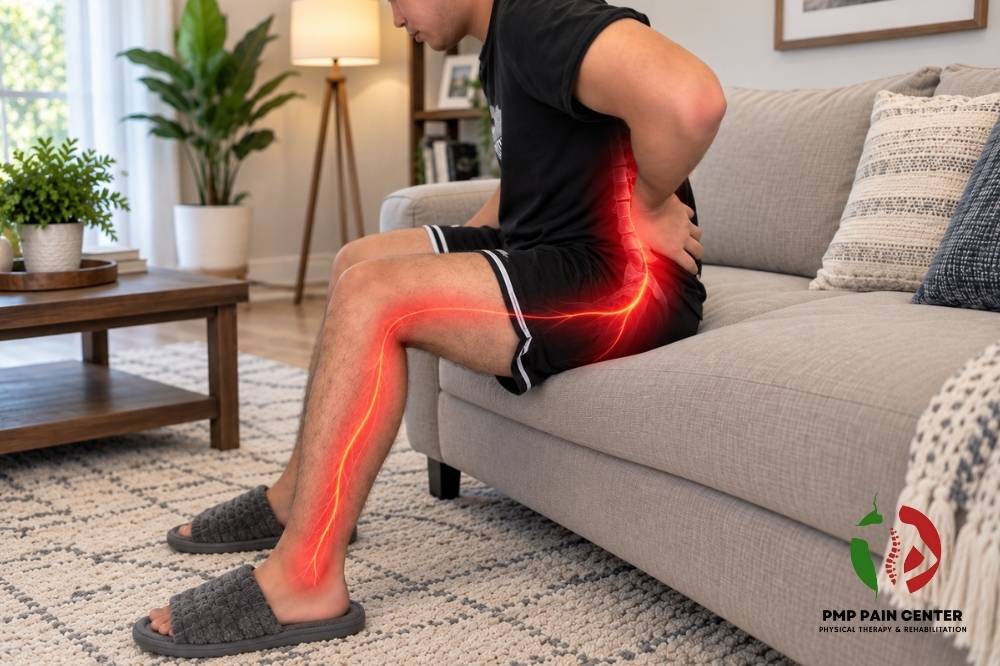
A pinched nerve happens when too much pressure is placed on a nerve by the surrounding tissues. This so-called pressure can come from herniated discs, swollen joints, tight muscles, poor posture, and more. And when a nerve is compressed, it can’t send signals properly. This then leads to tingling, numbness, weakness, and also pain in the affected area.
It commonly happens in different parts of the body but they are most common in the neck, wrist, and lower back. For many Filipinos, naipit na ugat or pinched nerves are often fixed using traditional hilot. However, most of the time, relief from hilot is only temporary. While it may ease the pain for a period of time, it does not address the root cause of nerve compression.
What Does a Pinched Nerve Feel Like?
It depends on where the nerve is pinched and how severe the pressure is. Some people feel sharp or burning pain, while others notice numbness, tingling, and weakness in the affected area. The pain also stays in one spot or spreads to nearby areas, like down the arm or leg.
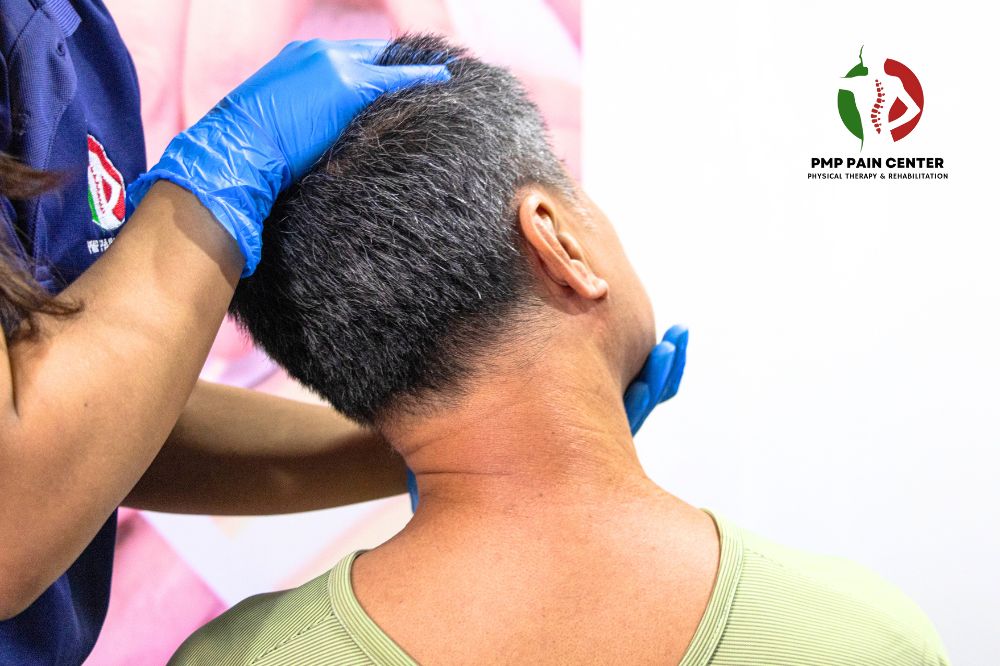
How Can Physical Therapy Help with Pinched Nerves?
There are many ways physical therapy can help with pinched nerves. But it’s important for you to look for guidance from a licensed and experienced physical therapist because they
1. Reduce Nerve Pressure
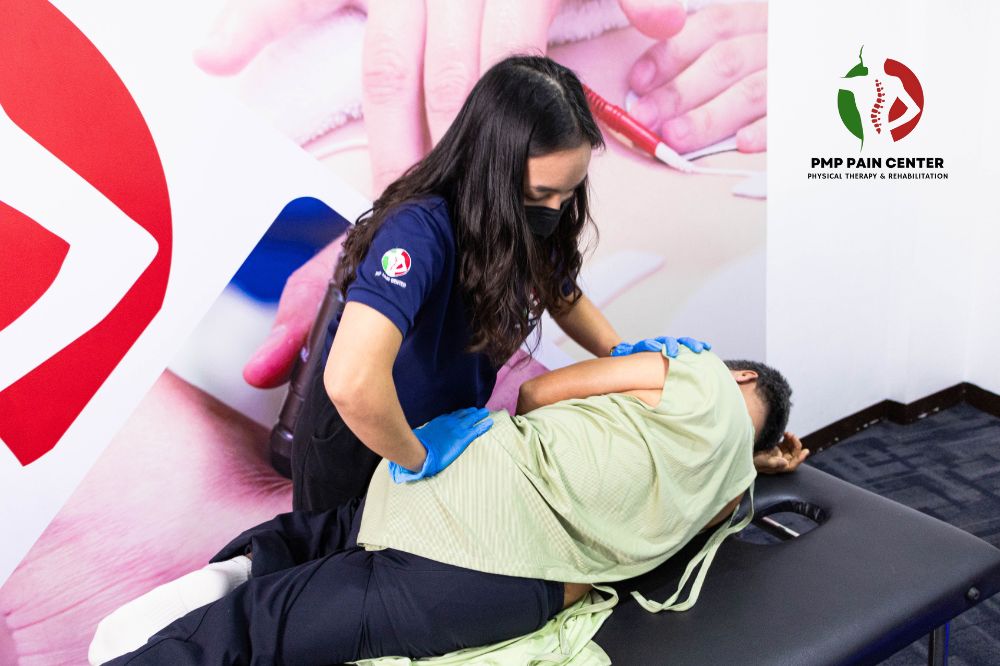
When you visit a physical therapy clinic for a pinched nerve, physical therapists will guide you through gentle stretches and movements that take the pressure off the affected nerve. Most of these exercises help your muscles and joints relax and improve circulation. Over time, this makes your nerves feel less irritated, which then allows you to move more comfortably in your everyday life.
2. Improve Strength and Flexibility
When your muscles are stronger and more flexible, you can move more comfortably and the nerve doesn’t get pinched as easily. Licensed physical therapists guide you through exercises that target the muscles supporting the affected area. And it’s not just the kind of exercises that make you sore or tired. They are carefully designed to improve how your body moves and strengthen weak ones.
3. Relieve Pain and Inflammation
Physical therapy can help calm the pain and reduce swelling around a pinched nerve. Most PTs often use hands-on techniques like soft tissue massage, joint mobilization, and trigger point therapy to relax tight muscles and ease tension. Advanced tools like the BTL machine or ultrasound therapy may also be used to reduce inflammation and promote healing.
4. Correct Posture and Movement
Slouching or moving the wrong way can put extra pressure on your nerves and make the pain worse. Physical therapists can show you simple ways to sit, stand, lift, and even bend so your body feels supported and your nerve isn’t irritated. These small changes might seem minor but they make a big difference over time.
5. Prevent Recurrence
Since physical therapy addresses the root cause of the problem, it prevents the same nerve from getting pinched again. Licensed physical therapists also teach patients how to move safely and maintain good posture in your daily life. So simple habits like proper lifting techniques, ergonomic adjustments at work, regular at-home exercises help protect your nerves can make a big difference.
Manage Pinched Nerves and Move More Comfortably with PMP Pain Center
Pinched nerves might not sound like a serious problem, but it can actually affect your everyday life. This is because simple activities can become uncomfortable or painful, and if it’s left untreated, it can lead to muscle weakness and recurring flare-ups that make moving around more difficult.
At PMP Pain Center, we’re here to make sure you get the right care from the very beginning. If you’re experiencing pinched nerves, don’t wait any longer and address it as soon as possible. Schedule an appointment at the nearest PMP branch in your area today.