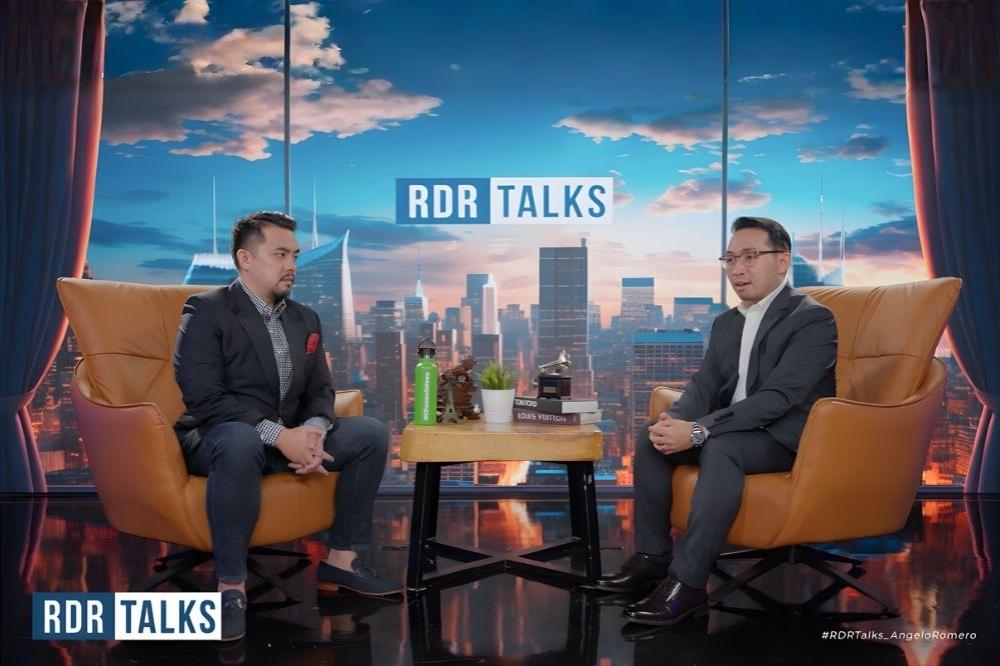
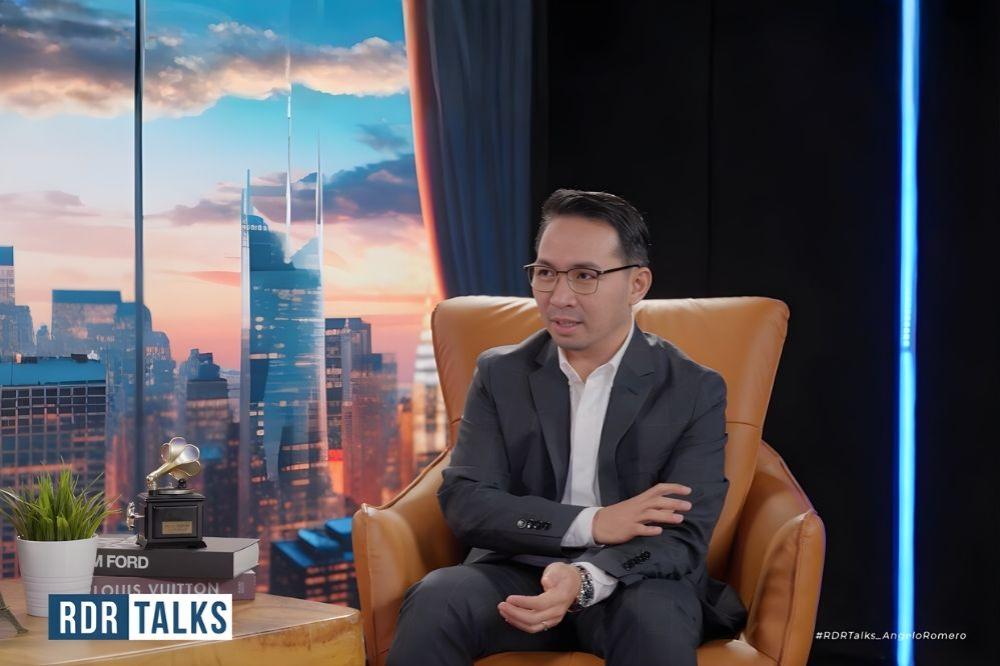
In a recent episode of RDR Talks with host Raymond Delos Reyes, PMP Pain Center’s President and CEO, Angelo Romero, shared his thoughts on painkillers and how people manage long-term pain. He pointed out that while medicines can help in the moment, too much reliance on them may cause bigger problems for the body. Sometimes, what patients need is not another pill but the right kind of therapy that addresses the root cause of the pain they are experiencing. You can watch the full interview here.
The Risks of Painkiller Dependence
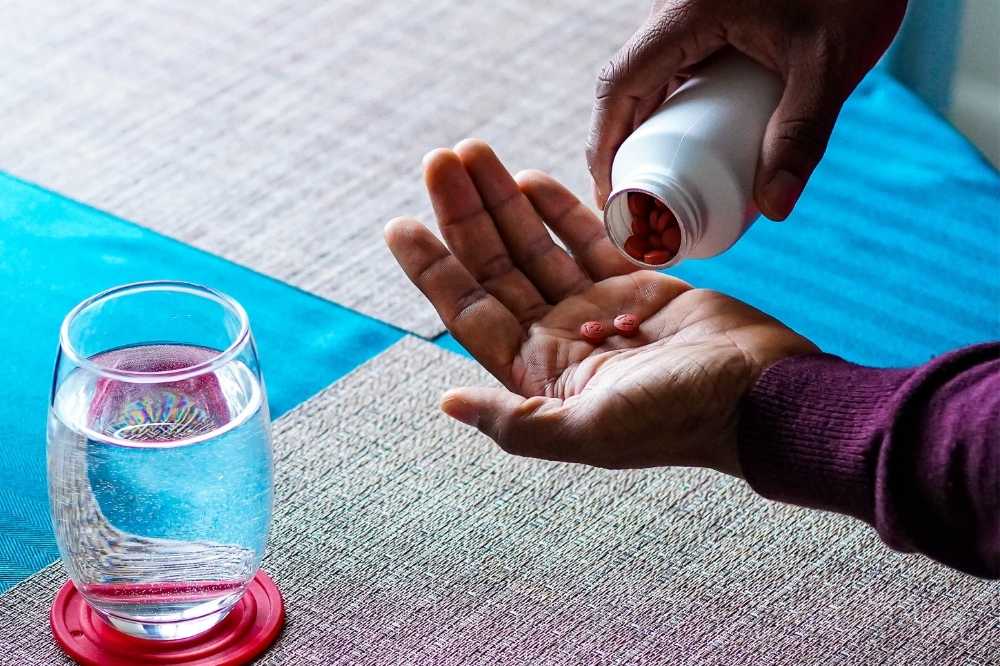
Romero emphasized that pain relievers are not inherently bad. The danger begins when people self-medicate without consulting a doctor. Long-term painkiller use can severely affect the kidneys. The bigger issue is dependency, which happens when patients automatically turn to medication whenever pain strikes, without addressing the root cause.
“Even arthritis can be managed through therapy,” Romero noted. With the right medical clearance and treatment plan, conditions often controlled by painkillers can be better managed through therapy and lifestyle changes.
Misconceptions about Physical Therapy
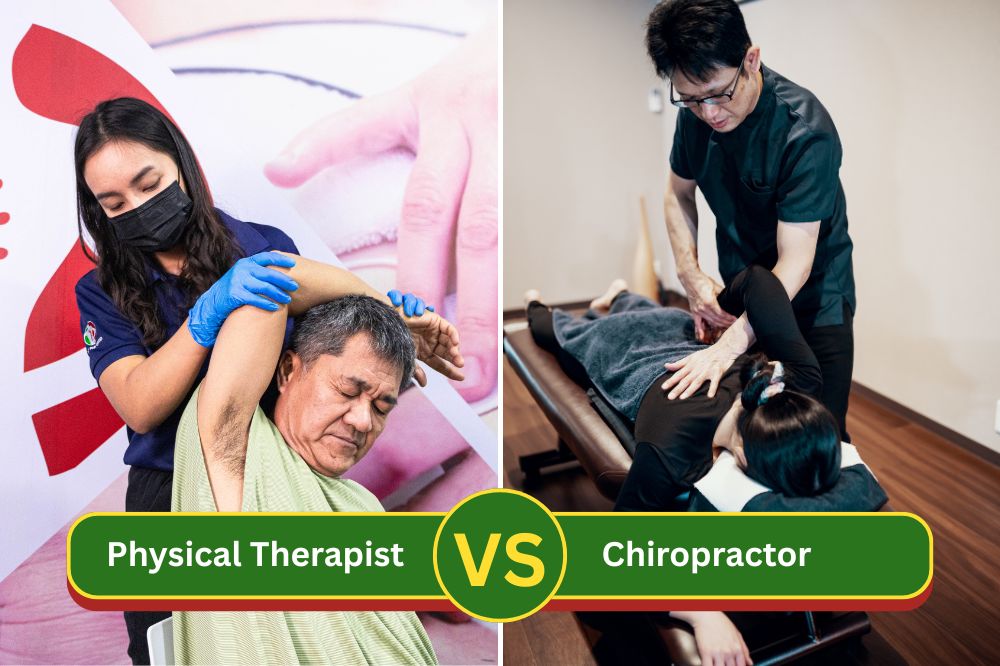
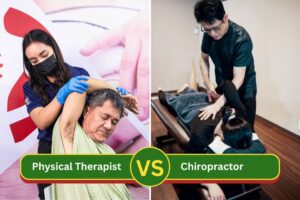
Romero also addressed some of the common misconceptions about physical therapy. Many people still think PTs are massage therapists, when in fact, they are part of the allied medical profession. Their role is to treat conditions that usually come from injuries, diseases, and aging. It’s far from what most people assume.
There’s also confusion around the title of “doctor.” While physical therapists can earn a doctorate degree, they are not recognized as medical doctors in the Philippines, at least not yet. Only licensed physicians can practice medicine. Unfortunately, some people misuse the title, which can mislead patients. Romero’s reminder was clear: when it comes to health, always check your provider’s credentials.
Alternative Medicine and Professional Care
Romero also pointed out that traditional medicine is not bad at all. In fact, it is regulated by the Philippine Institute of Traditional and Alternative Health Care (PITAHC). Hilot, herbal medicine, and even chiropractic care fall under this.
The question, however, lies in access and capacity to pay. If you’re in a rural area and your only option is a local hilot, there’s nothing wrong with trying it. But if you have access to licensed doctors and specialists, then that should always be your first choice. After all, traditional care is meant to be “alternative,” not the main solution when proper medical care is available.
How Physical Therapy at PMP Pain Center Helps with Pain Management
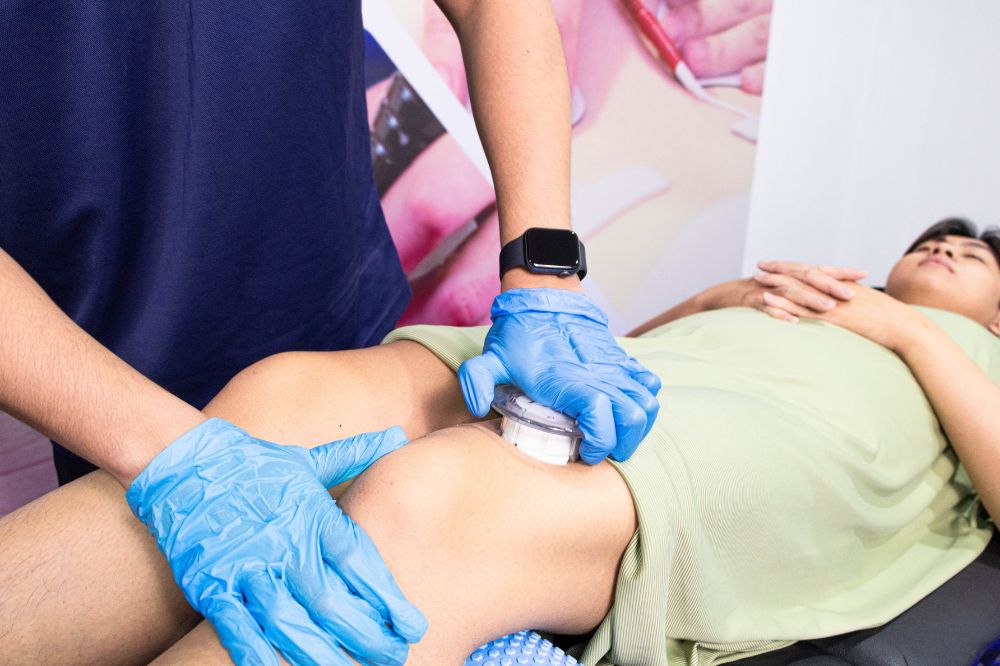
Physical therapy today has evolved into many areas of specialization, including pediatrics, geriatrics, neurology, sports rehabilitation, respiratory care, and even education. At PMP Pain Center, the focus is on manual therapy, especially for older patients dealing with musculoskeletal pain.
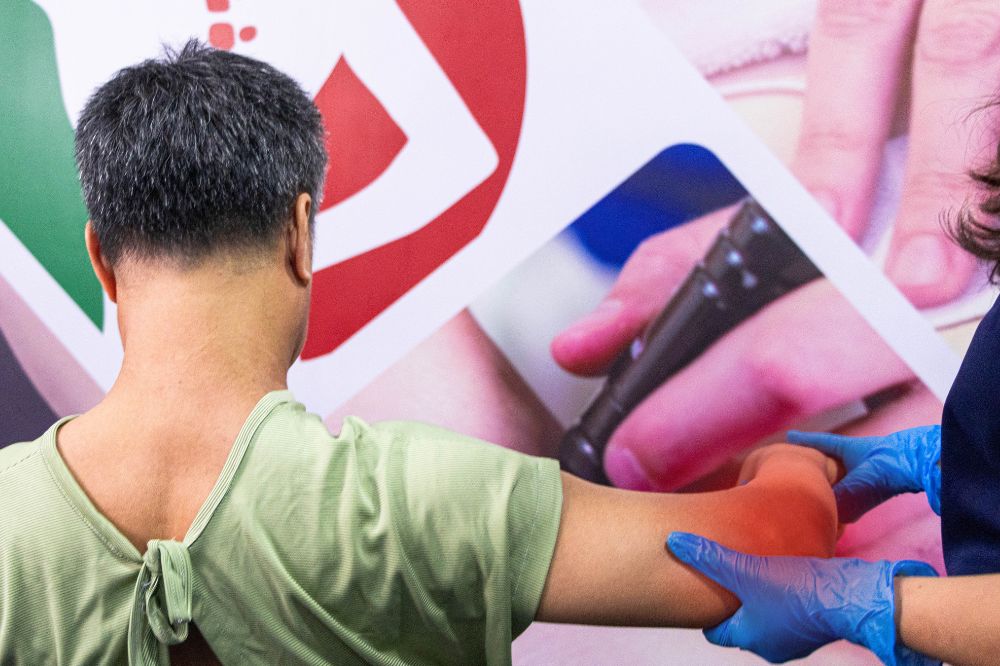
Conditions like neck pain, shoulder stiffness, foot pain, and even arthritis can be addressed through guided therapy sessions. By addressing the root cause of the pain, the need for painkillers is significantly reduced.
Angelo Romero’s Journey to Becoming PMP Pain Center’s President and CEO
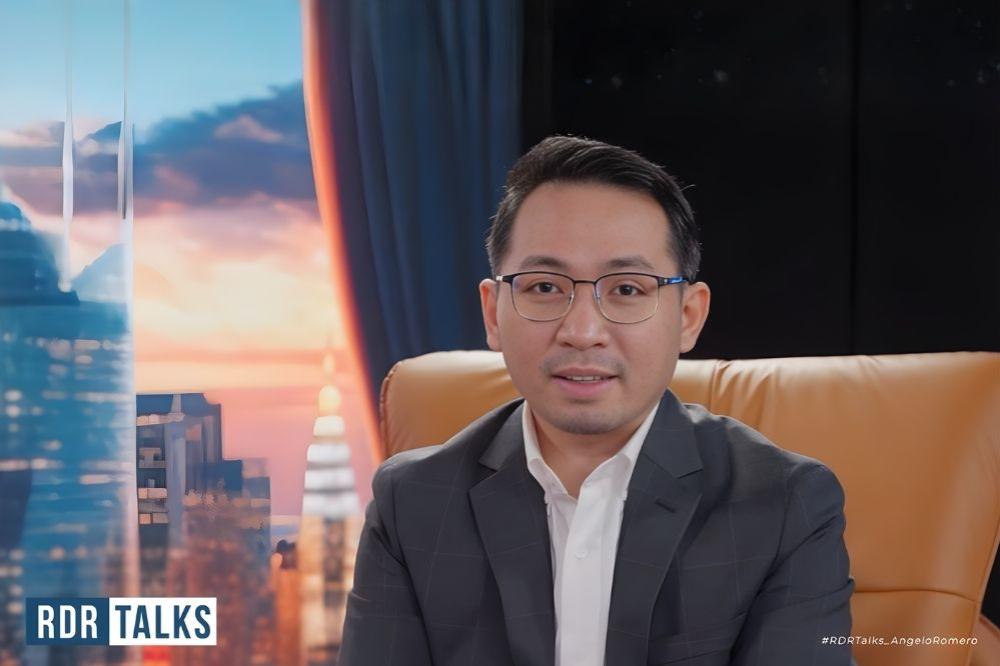
Behind Romero’s professional insights is also a deeply personal story. He didn’t grow up with privilege. Orphaned early, he helped his family survive through his mother’s small eatery and by feeding their ducks and chickens with leftover food collected from neighbors. Despite these hardships, he excelled in school, consistently ranking at the top of his class. He even became a recipient of a scholarship when he was in high school.
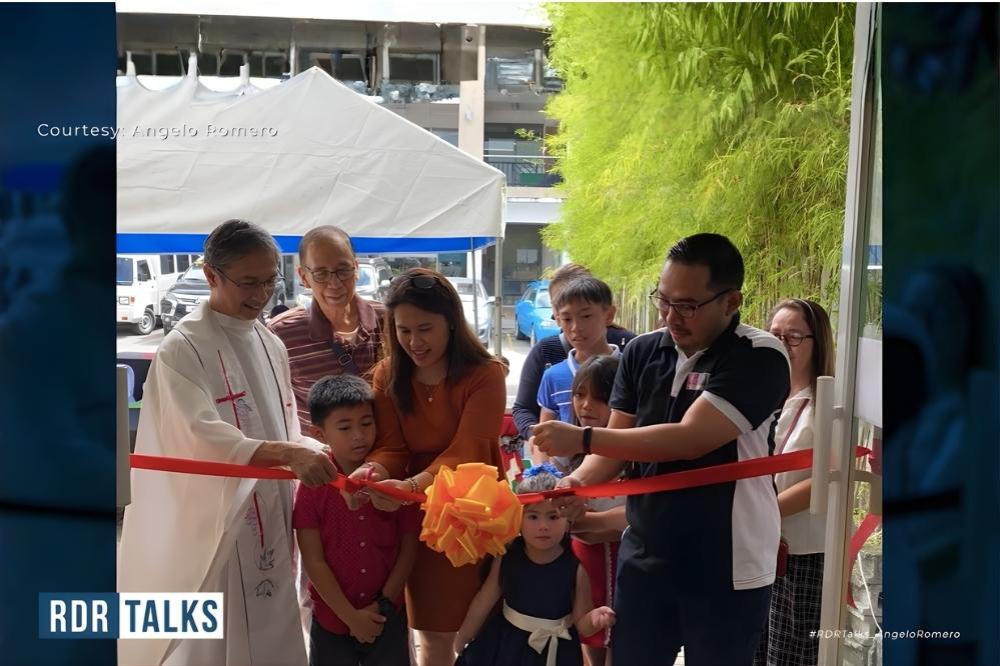
Needless to say, Romero’s journey was far from easy. His work experiences, mostly in sales, taught him the value of discipline and resilience. With that, he was able to establish the biggest physical therapy and rehabilitation center in the Philippines with the support of his wife.
How PMP Pain Center Is Changing the Industry for Physical Therapists in the Philippines
At the heart of Mr. Angelo Romero’s leadership is a strong commitment to improving the physical therapy profession. For years, many Filipino physical therapists have been underpaid and undervalued. This unfortunate situation forces them to seek better opportunities abroad. This so-called brain drain not only affects the profession but also leaves many local patients without access to quality care.
Through PMP Pain Center, Romero is changing that narrative. He makes sure therapists receive a competitive monthly package ranging from ₱30,000 to ₱50,000, which includes their salary and performance incentives, along with health insurance and even travel perks. By giving PTs the recognition and compensation they deserve, Romero hopes to keep more talent in the country and raise the standard of care for Filipino patients.
PMP Pain Center Is Here to Help Millions of Filipinos with Effective Pain Management through Physical Therapy
There are safer and more effective ways to manage pain than relying on medication alone. Through PMP Pain Center, patients receive professional care from skilled therapists who are valued and committed to helping people live better, pain-free lives. If you or someone you love is struggling with long-term pain, find the nearest PMP Pain Center branch in your area today and schedule a consultation with our licensed physical therapists and rehabilitation doctors.